Ever read a message and pause like… “Wait, what does ATP mean in text?” You’re definitely not the only one.
ATP is everywhere right now—TikTok comments, Snapchat streaks, group chats, and late-night conversations full of drama. It’s one of those short phrases that says a lot without saying much.
This guide breaks it all down so you can understand it instantly—and use it the right way.
What Does ATP Mean in Text?
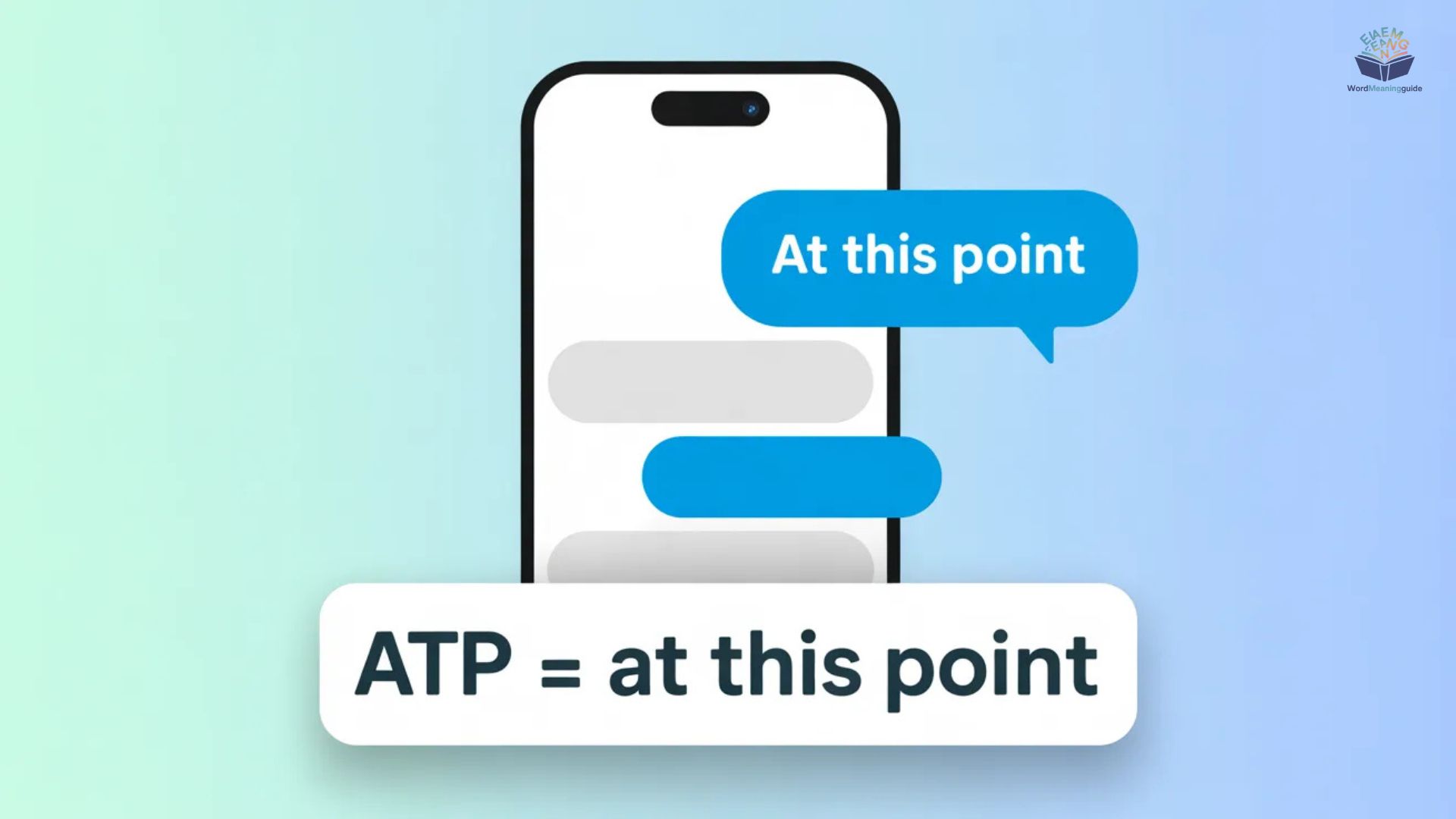
👉 ATP = At This Point
It’s used to show a shift in mindset—like you’ve reached a limit, stopped caring, or don’t want to keep explaining.
💬 Simple Example:
- “ATP I’m just over it.”
👉 Translation: I’ve reached my limit. I’m done.
What ATP Really Expresses
ATP isn’t just words—it’s a mood indicator. It tells the other person where you stand emotionally right now.
People use ATP when they:
- Feel mentally exhausted
- Are done arguing
- Stop caring about the outcome
- Want to end a conversation without saying much
👉 It cuts through emotional noise and delivers a clear message fast.
How ATP Is Used in Real Conversations
You’ll mostly see ATP in:
- Relationship talks
- Friend drama
- Group chat chaos
- Social media comments
- Venting messages
📊 Common Scenarios:
| Situation | Example | What It Means |
| Someone keeps complaining | “ATP you just want attention” | I’m tired of this |
| Being ignored | “ATP I’ll stop texting” | I won’t chase anymore |
| Long argument | “ATP believe what you want” | I give up |
| Watching drama | “ATP this is funny” | I’m just observing now |
The Tone Behind ATP
ATP can sound different depending on how it’s used:
- 😤 Frustrated: “ATP I don’t even care anymore”
- 😑 Tired: “ATP I’m done explaining”
- 😎 Chill / Observing: “ATP this is just entertaining”
- 💔 Emotionally distant: “ATP do whatever you want”
👉 Same phrase, different vibe—tone depends on context.
Why ATP Is So Popular
ATP fits perfectly into modern texting because it’s:
- Short and fast
- Emotionally expressive
- Easy to understand (once you know it)
- Perfect for Gen Z communication style
👉 It reflects how people today prefer quick, direct emotional expression.
Is ATP Formal or Informal? 💬
ATP is strictly informal slang. It’s designed for fast, expressive communication—not formal clarity.
✔️ Where ATP Fits Naturally:
- Text messages
- Snapchat streaks
- Instagram comments
- Tweets and replies
- Group chats with friends
❌ Where ATP Doesn’t Belong:
- Work emails
- School essays
- Professional conversations
- Serious or sensitive discussions
👉 Using ATP in formal settings can confuse readers and appear unprofessional.
When Should You Use ATP? (Context Matters)
ATP acts like a tone shortcut—it tells people how you feel without long explanations.
✅ Good Times to Use ATP:
- When you’re frustrated
- When you’re tired of repeating yourself
- When setting emotional boundaries
- When joking about messy or chaotic situations
- When the conversation is casual
💬 Examples:
- “ATP it is what it is.”
- “ATP I’m done trying.”
👉 Short, direct, and emotionally clear.
❌ When NOT to Use ATP:
Avoid ATP when:
- The topic is sensitive (health, personal issues)
- The other person might take it personally
- You’re talking to parents, teachers, or bosses
- You want to stay polite or neutral
- You’re explaining something important
⚠️ Example:
- “ATP idk what you want from me”
👉 This can easily escalate tension or conflict.
Emotional Tones Behind “ATP”
Same abbreviation, different emotional impact. Context defines everything.
😩 Exhaustion (Mentally Drained)
- “ATP I need sleep.”
- “ATP I have nothing left to say.”
👉 Tone: tired, honest, low energy
🤨 Frustration (Limit Reached)
- “ATP believe what you want.”
- “ATP this is ridiculous.”
👉 Tone: irritated, boundary-setting
😐 Indifference (Emotionally Detached)
- “ATP I couldn’t care less.”
- “ATP it doesn’t matter anymore.”
👉 Tone: calm, distant, cold
🤷 Casual Humor (Chaos Mode)
- “ATP this is entertaining.”
- “ATP I’m here for the drama.”
👉 Tone: playful, sarcastic, relaxed
Why Some People Avoid ATP
Even though ATP is popular, it has downsides:
- Can sound harsh or dismissive
- Not everyone understands it (especially older users)
- May unintentionally escalate arguments
- Tone can be misread easily
👉 In unclear situations, clarity always beats slang.
Best Alternatives to ATP (Based on Emotion)
Choosing the right words helps control tone and avoid misunderstandings.
A — 😩 Exhausted / Drained
- “I’m too tired to deal with this.”
- “I need a break.”
- “Let’s pause this.”
👉 Softer, more honest tone
B — 🤨 Frustrated / Annoyed
- “I’m done arguing.”
- “This isn’t worth it anymore.”
- “I’m over this.”
👉 Clear boundary, direct
C — 😐 Neutral / Detached
- “I’m stepping back.”
- “It doesn’t matter to me anymore.”
- “I’ll let it be.”
👉 Calm, controlled, mature
D — 🤷 Humorous / Casual
- “I give up lol.”
- “I’m just here for the show.”
- “This is entertaining now.”
👉 Light, playful, non-serious
E — 🤝 Polite Alternatives
- “Let’s leave it there.”
- “We can talk later.”
- “I’d rather move on.”
👉 Respectful and conflict-safe
Tone Comparison: ATP vs Alternatives
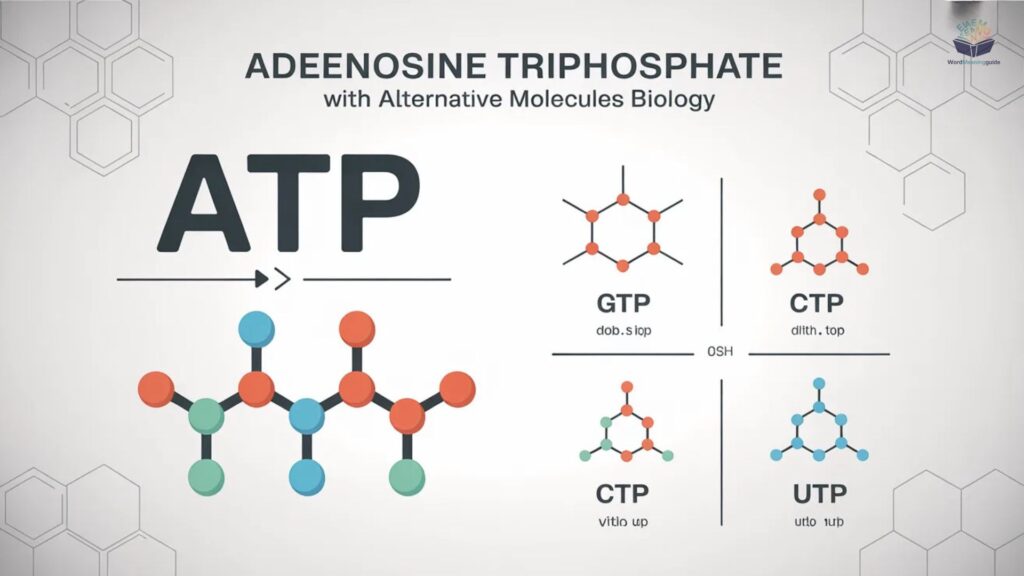
| Expression | Tone Level | Best Use Case |
| ATP | Medium–Harsh | Venting or emotional cutoff |
| I’m stepping back | Soft–Neutral | Keeping peace |
| I’m over this | Direct–Harsh | Ending conflict |
| I give up lol | Light–Funny | Reducing tension |
| Let’s leave it there | Calm–Mature | Avoiding escalation |
How ATP Is Used on Social Media 📱
The way ATP (At This Point) is used can vary slightly across platforms, but the core idea stays the same—it signals a shift in mindset or emotion.
🐦 Twitter / X Usage
On fast-paced platforms like X, ATP is used for quick reactions and emotional statements:
- Frustration: “ATP I don’t even care anymore”
- Current mood: “ATP we’re all just tired”
- Giving up: “ATP I’m done trying”
👉 It fits perfectly with short, punchy posts and real-time thoughts.
🎵 TikTok Usage
On TikTok, ATP is often used in storytelling, reactions, and comments:
- Storytime: “So ATP I realized…”
- Reaction videos: “ATP I’m not surprised”
- Comments: “ATP just block them”
👉 It helps creators summarize a turning point in a situation quickly.
💬 Text Messages
In everyday texting, ATP appears in conversations, updates, and decisions:
- Conversation: “ATP I’m over it”
- Updates: “ATP I’m running late”
- Decisions: “ATP let’s just reschedule”
👉 It acts like a shortcut for “given everything happening right now…”
✍️ Real Examples in Context
😤 Expressing Frustration
- “ATP I’m not even surprised”
- “ATP I’ve given up”
- “ATP nothing shocks me anymore”
🤔 Describing Current Situations
- “ATP we’re all confused”
- “ATP it’s too late to change plans”
- “ATP I don’t know what to believe”
⚡ Making Decisions
- “ATP I’m just gonna do it myself”
- “ATP let’s call it a day”
- “ATP I’d rather stay single”
👉 These show how ATP reflects emotion + decision in one phrase.
🔄 Different Meanings of ATP
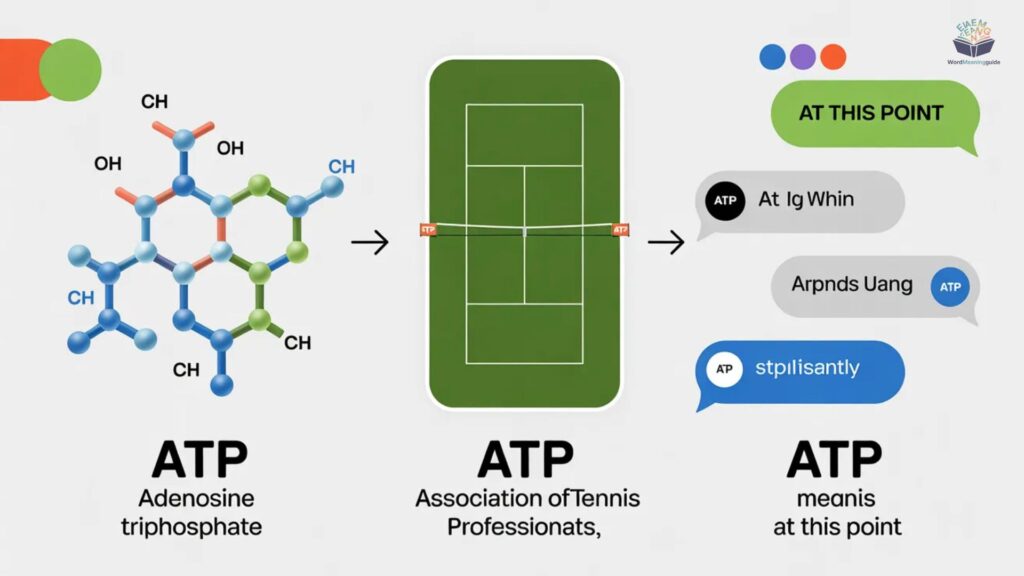
While “At This Point” is the most common meaning, ATP can have other interpretations depending on context.
1. At This Point (Most Common)
- Refers to the current situation
- Shows a shift after everything that happened
👉 Example: “ATP I’m done explaining”
2. Answer The Phone (Less Common)
- Used when someone isn’t picking up calls
👉 Example: “ATP, I’ve been calling you”
3. About To Pee (Humorous Slang)
- Casual, joke-based usage
👉 Example: “ATP from laughing so hard 😂”
👉 Important: Context always decides the meaning, but “At This Point” dominates in texting and social media.
🔥 Common ATP Phrases
Here are popular ways people naturally use ATP:
- “ATP I’m done” → Giving up
- “ATP anything goes” → Nothing surprises me anymore
- “ATP it doesn’t matter” → Feeling resigned
- “ATP I don’t care” → Frustrated detachment
- “ATP we move” → Moving forward no matter what
Frequently Asked Questions
What does ATP mean in text messages?
ATP most commonly means “At This Point”, used to show your current feeling or decision after everything that’s happened.
Is ATP a positive or negative slang?
It can be both. ATP often sounds frustrated or tired, but it can also be neutral or even humorous depending on tone.
What does “ATP I’m done” actually mean?
It means you’ve reached your limit and don’t want to continue—emotionally or mentally.
How do people use ATP in conversations?
People use ATP to express a shift in mindset, like giving up, setting boundaries, or reacting to a situation.
What does ATP mean in TikTok or social media?
On TikTok and social platforms, ATP means “At This Point” and is used in captions, comments, and storytimes.
Can ATP mean something else in text?
Yes, less commonly it can mean “Answer The Phone” or “About To Pee,” but context usually makes it clear.
Is ATP rude or disrespectful?
Not always, but it can sound harsh or dismissive if used during arguments or emotional conversations.
What should I reply when someone uses ATP?
It depends on tone:
“I get it” (supportive)
“What happened?” (curious)
“Let’s talk it out” (calming)
When should you not use ATP in texting?
Avoid it in professional, formal, or sensitive conversations, as it may cause confusion or seem disrespectful.
Why is ATP so popular in texting today?
Because it’s short, expressive, and instantly shows emotion, making it perfect for fast digital communication.
Final Thoughts
In a world where conversations move fast and attention spans are short, ATP has become more than just an abbreviation—it’s a snapshot of how someone truly feels in the moment. Whether it signals frustration, acceptance, or a quiet “I’m done,” those three letters carry emotional weight that long sentences sometimes fail to express.
Understanding ATP doesn’t just help you decode messages—it helps you read between the lines, respond smarter, and avoid unnecessary misunderstandings. Use it wisely, read it carefully, and you’ll navigate modern texting with confidence, clarity, and a whole lot less confusion.

Mr. Yaseen is a passionate content creator and language enthusiast dedicated to making words simple and meaningful for everyone. As the author behind WordMeaningGuide.com, he focuses on delivering clear, accurate, and easy-to-understand definitions that help readers improve their vocabulary and communication skills. With a keen eye for detail and a love for language, Mr. Yaseen ensures every piece of content is user-friendly, informative, and valuable for learners of all levels.