Picture this: A colleague walks in looking flustered, and you say, “How can I help you?” — it works. But does it always work best?
“How can I help you?” is a classic phrase — trusted and universally understood. But relying on it in every situation is like wearing the same outfit to every event. Sometimes you need something warmer, more formal, or more specific. According to a 2022 Salesforce report, 88% of customers say the experience a company provides matters just as much as its products — and the words you use to offer help are often the very first part of that experience.
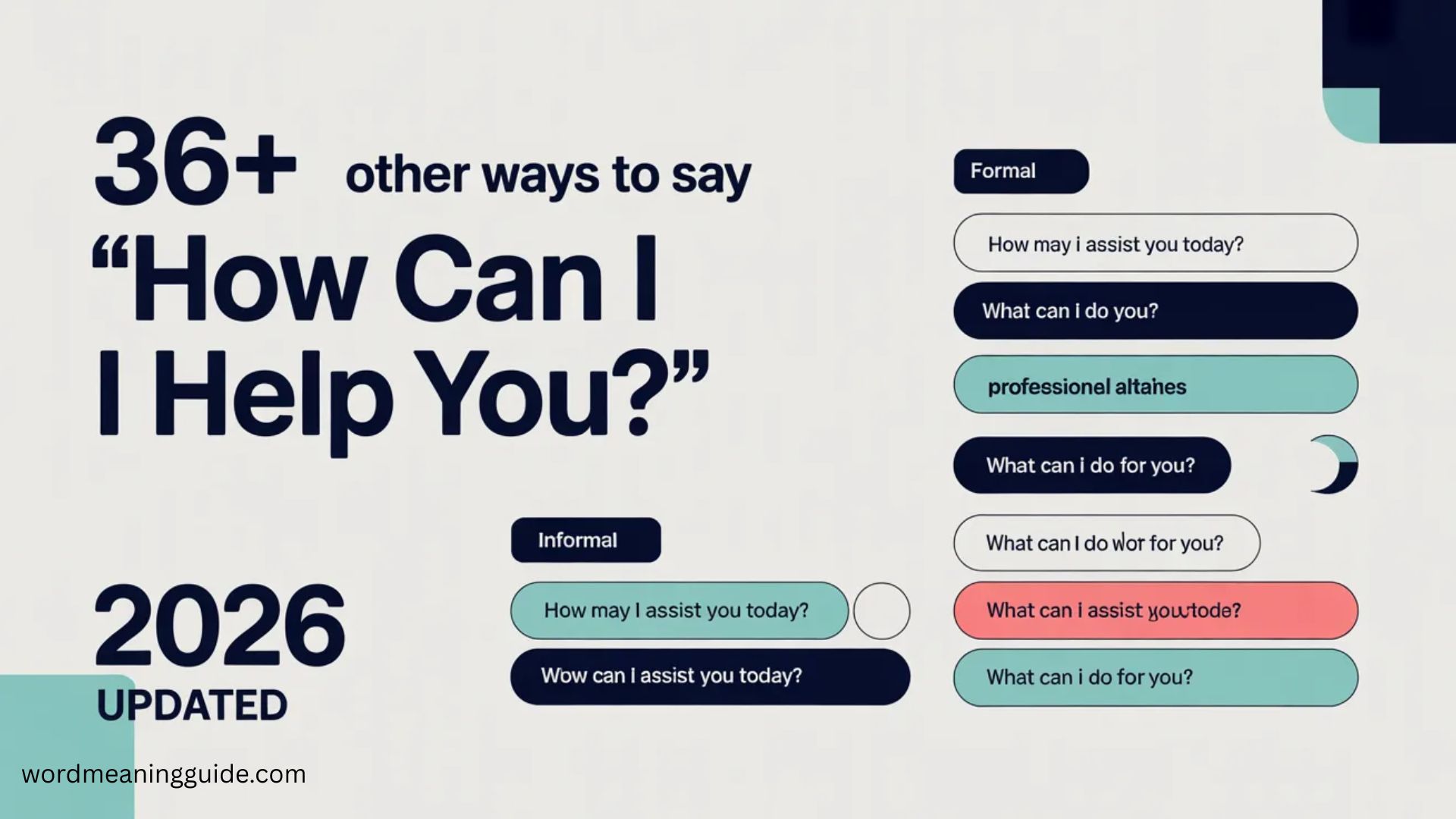
This guide explores 36 alternatives to “How can I help you?” — from casual conversations to formal boardrooms — so you always have the right phrase for the moment.
What Does “How Can I Help You” Mean?
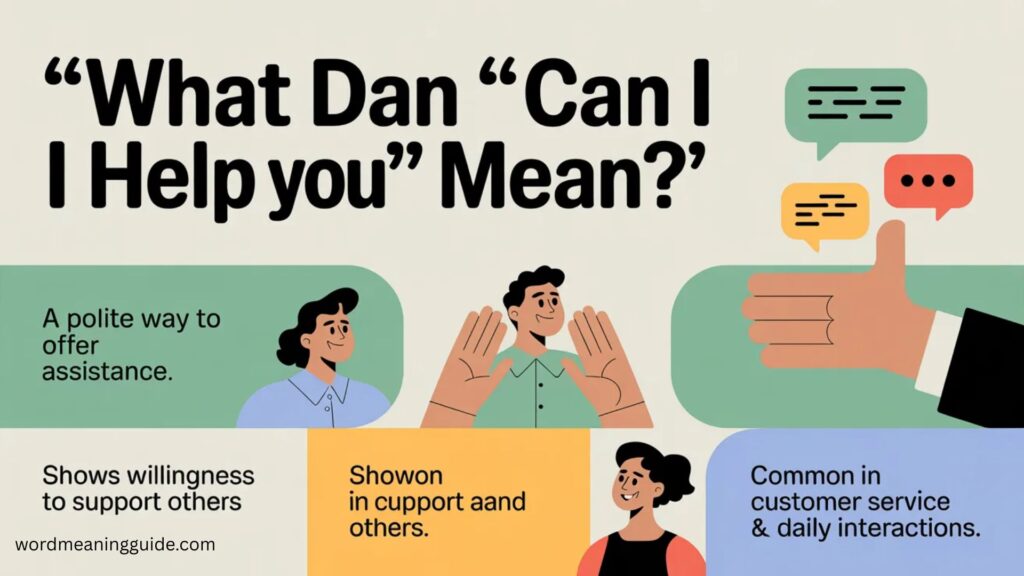
At its core, “How can I help you?” is an open-ended offer of assistance. It signals availability, willingness, and attentiveness. The phrase invites the other person to express a need without presuming what that need might be.
It originated in service-oriented contexts — shops, offices, call centers — and gradually became a universal English expression used in both personal and professional settings. The phrase carries a tone of readiness: I am here, I am present, and I want to make things easier for you.
However, its very universality is also its limitation. Because it’s used so widely, it can sometimes feel automatic — like a reflex rather than a genuine gesture. This is why understanding its alternatives is so valuable.
When to Use “How Can I Help You”
Spoken English
In everyday spoken conversation, “How can I help you?” flows naturally and comfortably. It works well when a friend looks distressed, when a stranger seems lost, or when a coworker enters your office with a question. The phrase is conversational enough to feel warm and genuine in these moments.
Business English
In professional settings, the phrase serves as a reliable opener — especially in client-facing roles, customer service, and team collaboration. However, in business English, context matters enormously. A more tailored alternative often creates a stronger impression.
Emails / Messages
In written communication, “How can I help you?” can feel slightly abrupt or too casual, depending on the relationship and subject matter. Alternatives that show more consideration for the recipient’s time and needs often perform better in email contexts.
Social Media
On social media platforms — particularly for brands and public figures — offering help in an engaging, conversational tone is key. A phrase like “Need a hand?” or “Let us know how we can help!” tends to resonate better with digital audiences than the more formal default.
Academic Writing
In academic or research contexts, offering assistance is typically phrased more formally. Expressions like “Please let me know if there is anything I can assist with” or “How may I be of service?” align better with the formal register expected in scholarly communication.
Professional Meetings
In meetings, especially when addressing clients or senior stakeholders, slightly elevated alternatives such as “How may I assist you?” or “What can I do to support this effort?” convey professionalism and respect for the gravity of the discussion.
Is “How Can I Help You” Polite or Professional?
The short answer: both — but with caveats.
“How can I help you?” is undeniably polite. It is non-intrusive, open, and respectful. However, politeness and professionalism are not the same thing. In highly formal settings, a phrase like “How may I assist you?” carries a slightly elevated register that signals a deeper level of professional courtesy.
Linguist Deborah Tannen has written extensively about how small shifts in wording can change the perceived power dynamic and emotional tone of an interaction. Offering help with words like assist, support, or facilitate signals that the speaker is engaged at a higher level of competence and commitment.
So while “How can I help you?” is always a safe, polite choice, it may not always be the most professional one.
Pros & Cons of Using “How Can I Help You”
Pros:
- Universally understood and immediately clear
- Friendly and approachable in tone
- Works across a wide range of social and professional contexts
- Non-presumptuous — lets the other person define their need
Cons:
- Can feel overused or robotic, especially in scripted customer service
- May come across as vague in situations where a more specific offer is appropriate
- Lacks warmth in very personal situations where emotional support is needed
- Can sound formulaic in formal writing or high-stakes professional conversations
Quick Alternatives List (One-Line Phrases)

Before diving into the detailed breakdown, here’s a quick-reference list of 36 alternatives:
- How May I Assist You?
- What Can I Do for You?
- Need a Hand?
- Can I Help in Any Way?
- Is There Anything I Can Do?
- How Can I Be of Service?
- Let Me Know if You Need Help
- I’m Happy to Help
- Anything I Can Assist With?
- Shall I Help You With That?
- Would You Like Some Help?
- Can I Lend a Hand?
- Need Help With That?
- How Can I Support You?
- Can I Offer Any Assistance?
- Do You Want Some Assistance?
- How Can I Lend a Hand?
- Need a Little Help?
- Can I Offer Assistance?
- How Can I Make Things Simpler?
- Can I Give You a Hand?
- How Can I Make Things Better for You?
- Would You Like Some Support?
- How Can I Serve You?
- Do You Need Help With Anything?
- How Can I Make Things Easier for You?
- Would You Like Me to Assist?
- How Can I Lend Support?
- Need a Hand With That?
- How Can I Be Helpful?
- What Support Can I Offer?
- How May I Help Facilitate This Matter?
- Please Indicate How I May Assist
- What Can I Do to Support This Effort?
- How May I Be Helpful Moving Forward?
- Please Let Me Know If There Is Anything I Can Assist With
36 Alternatives in Detail
1. How May I Assist You?
Meaning: A slightly more formal version of the original, replacing “can” with “may” and “help” with “assist.”
When to use it: Customer service counters, formal business calls, hotel receptions, and any professional context where a polished tone is expected.
Example: “Good afternoon, Mr. Thompson. How may I assist you today?”
This phrasing subtly elevates the interaction. The word may implies permission and formality, while assist carries more professional weight than help. Many luxury brands train their staff to use this phrase specifically to reinforce brand prestige.
2. What Can I Do for You?
Meaning: A direct, friendly, and slightly informal offer of help.
When to use it: Casual professional environments, team settings, or when speaking with someone you know well.
Example: “Hey Sarah, what can I do for you?”
This phrase feels more personable and less scripted than the original. It implies a genuine readiness to take action and works especially well between colleagues or in relaxed office cultures.
3. Need a Hand?
Meaning: A casual, colloquial way to offer help, often used when someone is visibly struggling with a task.
When to use it: Informal settings — helping a coworker with boxes, a friend setting up furniture, or a neighbor carrying groceries.
Example: “Need a hand with those reports?”
The phrase is disarmingly simple and warm. It signals solidarity and practicality. It would feel out of place in a formal email, but in person, it’s one of the most naturally human things you can say.
4. Can I Help in Any Way?
Meaning: An open-ended offer that acknowledges uncertainty about what kind of help might be needed.
When to use it: When someone is dealing with an emotional situation, a complex problem, or a scenario you don’t fully understand yet.
Example: “This sounds really tough — can I help in any way?”
This phrase is particularly compassionate. The phrase “in any way” expands the offer beyond just practical assistance, making it suitable for emotional support conversations as well.
5. Is There Anything I Can Do?
Meaning: A gentle, non-presumptuous offer that gives the other person full control over defining their needs.
When to use it: Situations involving grief, stress, hardship, or uncertainty.
Example: “I heard about what happened. Is there anything I can do?”
This alternative is powerful in empathetic contexts. It doesn’t push, doesn’t assume, and respects the other person’s autonomy — all while making clear that you are available and willing.
6. How Can I Be of Service?
Meaning: A formal, service-oriented phrase with a slight old-fashioned elegance.
When to use it: Formal business environments, hospitality industries, or when addressing VIP clients or executives.
Example: “Welcome to our firm. How can I be of service?”
This phrase carries an air of dedication and reverence. It positions the speaker as someone genuinely committed to the needs of the other party — a subtle but meaningful distinction.
7. Let Me Know if You Need Help
Meaning: A proactive but non-intrusive offer that leaves the ball in the other person’s court.
When to use it: Emails, written communications, or situations where you don’t want to appear pushy.
Example: “I’ve attached the files you requested. Let me know if you need help navigating them.”
This is one of the most versatile alternatives. It communicates availability without pressure and is especially effective as a sign-off line in professional emails.
8. I’m Happy to Help
Meaning: An enthusiastic affirmation of willingness, often used as a response but also effective as an opener.
When to use it: Customer service, team support, and any scenario where you want to convey genuine enthusiasm.
Example: “I’m happy to help — just tell me where to start.”
The word happy does significant emotional work here. It transforms a neutral offer into a warm, engaged one. Research in customer experience consistently shows that positive emotion words increase customer satisfaction scores.
9. Anything I Can Assist With?
Meaning: A casual inversion of a more formal offer, useful for making the question feel lighter and less imposing.
When to use it: Casual professional conversations, team check-ins, or follow-up messages.
Example: “Just checking in — anything I can assist with before Friday?”
The inversion of the typical sentence structure creates a casual, conversational energy. It’s less formal than “How may I assist you?” but more polished than “Need a hand?”
10. Shall I Help You With That?
Meaning: A direct and slightly formal offer, particularly useful when you’ve already identified a specific task or problem.
When to use it: When you’ve observed someone struggling with something specific and want to offer targeted help.
Example: “That spreadsheet looks complex — shall I help you with that?”
The word shall adds a gentle formality, and the phrase with that grounds the offer in a concrete context. It’s specific, proactive, and considerate.
11. Would You Like Some Help?
Meaning: A polite, gentle question that gives the other person the option to accept or decline without feeling pressured.
When to use it: Any situation where you want to offer help without imposing — especially with proud or independent individuals.
Example: “You’ve been at this for a while — would you like some help?”
This phrase is beautifully balanced. It shows awareness and care without being intrusive. The conditional “would you like” softens the offer and respects personal boundaries.
12. Can I Lend a Hand?
Meaning: An idiom that means offering practical assistance, carrying a friendly and cooperative tone.
When to use it: Casual environments, team projects, or physical tasks.
Example: “You’re carrying a lot — can I lend a hand?”
The idiomatic nature of this phrase gives it a warm, down-to-earth quality. It’s the kind of phrase a trusted colleague or a good friend might use — and that’s exactly why it works so well in informal professional settings.
13. Need Help With That?
Meaning: A short, direct offer of assistance, often used in response to an observed struggle.
When to use it: Quick, in-the-moment conversations where brevity is appreciated.
Example: “You’ve been staring at that screen for an hour — need help with that?”
Conciseness has its own charm. This phrase gets straight to the point and works especially well in fast-paced environments where long-winded offers might feel out of place.
14. How Can I Support You?
Meaning: A thoughtful, emotionally aware alternative that emphasizes backing someone up rather than just solving a problem.
When to use it: Leadership and management contexts, mental health conversations, mentoring relationships, or team support scenarios.
Example: “I know this project is challenging. How can I support you?”
The word support is powerful. It implies sustained engagement, not just a one-time fix. Leaders who use this phrase are perceived as more empathetic and collaborative, according to organizational psychology research.
15. Can I Offer Any Assistance?
Meaning: A formal, courteous phrase that places the emphasis on the speaker’s willingness to give rather than the recipient’s need to ask.
When to use it: Formal email correspondence, client communications, or high-stakes professional settings.
Example: “I noticed some confusion during the meeting — can I offer any assistance in clarifying our objectives?”
This phrase has an understated elegance. It doesn’t presume that help is needed; it simply makes it available. That distinction can be meaningful, especially with clients or executives who value their autonomy.
16. Do You Want Some Assistance?
A slightly more informal take on “Can I offer any assistance?” This works well in intermediate-level formal settings and comes across as approachable without sacrificing professionalism.
Example: “Do you want some assistance preparing for the presentation?”
17. How Can I Lend a Hand?
This phrase combines the warmth of the idiom “lend a hand” with the directness of a question. It suggests active participation and teamwork.
Example: “The launch is next week — how can I lend a hand?”
18. Need a Little Help?
A gentler, softer version of “Need a hand?” — the word little reduces the implied weight of the problem and can make the other person feel less overwhelmed.
Example: “This process can be tricky at first — need a little help?”
19. Can I Offer Assistance?
A crisp, formal phrase suitable for written communications or formal meetings. It’s slightly more direct than “Can I offer any assistance?” and works well in concise email sign-offs.
Example: “Please feel free to reach out — can I offer assistance at any stage of the project?”
20. How Can I Make Things Simpler?
This alternative shifts the focus from offering help to reducing complexity — a subtle but powerful reframe. It communicates competence and problem-solving orientation.
Example: “This workflow seems unnecessarily complex. How can I make things simpler for you?”
21. Can I Give You a Hand?
A classic idiom, friendly and energetic. Very similar to “Can I lend a hand?” but with a slightly more immediate, present-tense energy.
Example: “You look swamped — can I give you a hand?”
22. How Can I Make Things Better for You?
A customer-centric phrase that moves beyond just offering help to expressing a genuine desire to improve the other person’s situation. Excellent for service recovery or follow-up contexts.
Example: “I’m sorry the first solution didn’t work. How can I make things better for you?”
23. Would You Like Some Support?
Similar to “How can I support you?” but framed as a yes/no question, giving the recipient more agency in accepting or declining.
Example: “This is a big transition — would you like some support?”
24. How Can I Serve You?
A highly service-oriented phrase, most at home in hospitality, luxury retail, or any industry where exceptional client care is a core value. It carries a tone of dedication and deference.
Example: “Welcome back, Mrs. Carter. How can I serve you today?”
25. Do You Need Help With Anything?
A broad, open-ended question that works well as a check-in phrase — especially at the end of a meeting or interaction.
Example: “Before I head out — do you need help with anything?”
26. How Can I Make Things Easier for You?
Like #20, this phrase centers the other person’s experience and positions the speaker as a problem-solver. It’s particularly effective in client management and operational roles.
Example: “I know the onboarding has been complex — how can I make things easier for you going forward?”
27. Would You Like Me to Assist?
A formal, polite alternative that pairs well with a specific offer. It’s best used when you have a concrete form of assistance in mind.
Example: “Would you like me to assist in drafting the proposal?”
28. How Can I Lend Support?
An emotionally resonant phrase that blends the idiom “lend a hand” with the more thoughtful word “support.” Works well in leadership, coaching, and team management contexts.
Example: “I want this team to succeed — how can I lend support?”
29. Need a Hand With That?
A targeted, situation-specific version of “Need a hand?” that grounds the offer in whatever specific task is at hand.
Example: “That data migration looks complex — need a hand with that?”
30. How Can I Be Helpful?
A reflective, self-aware phrase that signals genuine desire rather than scripted politeness. It works beautifully in coaching, management, and interpersonal relationships.
Example: “I want to be here for you — how can I be helpful?”
31. What Support Can I Offer?
An introspective and generous phrase. Instead of asking what the other person needs, it asks what you are able to contribute — a subtle shift that communicates humility and awareness.
Example: “In this project, what support can I offer from my end?”
32. How May I Help Facilitate This Matter?
A highly formal phrase suited to legal, corporate, or diplomatic contexts. It signals that the speaker understands the complexity of the situation and is offering specialized assistance.
Example: “This is a sensitive negotiation — how may I help facilitate this matter?”
33. Please Indicate How I May Assist
A formal, written-communication phrase that works best in business correspondence, official letters, or client-facing documentation.
Example: “Please indicate how I may assist, and I will respond promptly.”
34. What Can I Do to Support This Effort?
A collaborative phrase that works especially well in team or project contexts. It frames help in terms of collective goals rather than individual need.
Example: “The deadline is tight — what can I do to support this effort?”
35. How May I Be Helpful Moving Forward?
Forward-looking and proactive, this phrase works best in follow-up communications or at the close of a meeting. It signals continued commitment and availability.
Example: “Now that we’ve resolved the immediate issue, how may I be helpful moving forward?”
36. Please Let Me Know If There Is Anything I Can Assist With
A comprehensive, professional closing statement for emails and formal communications. It’s thorough, polite, and leaves the door open without being pushy.
Example: “Thank you for your time today. Please let me know if there is anything I can assist with.”
Mini Dialogue Examples
Casual Workplace:
Alex: “These files are a complete mess.” Jamie: “Need a hand sorting them out? I’ve got an hour free.”
Customer Service:
Customer: “I’m not sure where to begin with my account setup.” Agent: “No problem at all. How may I assist you today? Let’s start from the very beginning.”
Email Sign-Off:
“Thank you for your patience during this process. Please let me know if there is anything I can assist with, and I will respond as soon as possible.”
Management Check-In:
Manager: “I know the last quarter was tough. How can I support you as we head into the new phase?”
Between Friends:
Friend 1: “I’ve got so much on my plate right now.” Friend 2: “Is there anything I can do? Seriously, just say the word.”
Mistakes to Avoid
1. Using formal phrases in casual settings. Saying “Please indicate how I may assist” to a colleague asking about the coffee machine will come across as robotic and strange. Always match your language register to the context.
2. Overusing the same phrase. Even the best alternative becomes hollow if repeated constantly. Vary your expressions to keep them feeling genuine.
3. Offering help without sincerity. No phrase works well if it isn’t backed by genuine intent. Body language, tone of voice, and follow-through matter just as much as word choice.
4. Using casual alternatives in writing. “Need a hand?” is perfect in person but reads as too flippant in a formal business email. Always consider the medium.
5. Asking open-ended questions when specific help is already obvious. If you can see exactly what the problem is, a targeted offer (“Shall I help you with that spreadsheet?”) is more useful than a general “How can I help you?”
Cultural & Tone Tips
Language norms vary significantly across cultures, and what sounds warm and helpful in one context may seem intrusive or overly familiar in another.
In British English, phrases like “Shall I help you with that?” or “Would you like some assistance?” tend to feel more natural than the more American-sounding “What can I do for you?”
In East Asian business contexts, direct offers of help may sometimes be politely declined out of cultural courtesy — even if the help is genuinely needed. A softer approach, such as “Please let me know if there is anything I can assist with,” gives the recipient more face-saving space.
In Latin American professional settings, warm, relational language tends to be more valued. Phrases that emphasize caring — such as “How can I support you?” — can resonate more deeply than more transactional alternatives.
In high-stakes corporate environments, the choice of vocabulary signals expertise and status. Phrases with words like facilitate, support, and assist carry more professional authority than everyday terms like help or hand.
As linguist and communication expert Dr. Robin Lakoff noted, the language we use to offer help reflects underlying values about power, relationship, and care. Being thoughtful about that language is not merely a stylistic choice — it’s a social and emotional one.
Comparison Table of 7 Best Alternatives
| Phrase | Formality Level | Best Context | Tone |
| How May I Assist You? | High | Formal business, luxury service | Polished, professional |
| What Can I Do for You? | Medium | Team environments, client calls | Friendly, direct |
| How Can I Support You? | Medium-High | Leadership, coaching, HR | Empathetic, collaborative |
| Let Me Know if You Need Help | Low-Medium | Emails, follow-ups | Non-intrusive, warm |
| Need a Hand? | Low | Casual, in-person | Friendly, casual |
| How Can I Make Things Easier for You? | Medium | Customer service, operations | Solution-focused |
| Please Let Me Know If There Is Anything I Can Assist With | Very |
Frequently Asked Questions
What are other ways to say “How can I help you”?
You can say “What can I do for you?” or “How may I assist you?”
What is a polite way to offer help?
You can say “Let me know how I can support you.”
How do you ask if someone needs help politely?
You can say “Do you need any assistance?”
What can I say instead of “How can I help you in formal language”?
You can say “How may I be of assistance?”
What is a friendly way to offer help?
You can say “What do you need help with?”
How do customer service agents ask for help?
They say “How can I assist you today?”
What is a simple way to offer help in daily life?
You can say “Can I help you with something?”
What is a professional way to ask if someone needs help?
You can say “Is there anything I can help you with?”
What do you say to show support instead of “How can I help you”?
You can say “I’m here if you need anything.”
What is a kind way to offer help to someone?
You can say “Let me know if you need help.”
Conclusion
In conclusion, there are many kind ways to say “How can I help you.” Different words can make people feel more comfortable and respected. Simple and polite sentences can improve daily communication. Using caring words also helps build better relationships with others.
These helpful phrases can be used at work, school, or in daily life. They show kindness, support, and a willingness to assist others. Choosing the right words can make conversations more friendly and positive. A small change in language can leave a big and meaningful impression.

Mr. Yaseen is a passionate content creator and language enthusiast dedicated to making words simple and meaningful for everyone. As the author behind WordMeaningGuide.com, he focuses on delivering clear, accurate, and easy-to-understand definitions that help readers improve their vocabulary and communication skills. With a keen eye for detail and a love for language, Mr. Yaseen ensures every piece of content is user-friendly, informative, and valuable for learners of all levels.